A floating shelf looks clean and modern because its supports stay hidden inside the wood, leaving only a simple plank on the wall. It is also a practical beginner woodworking project. With a few basic tools, careful measuring, and patience, you can build a sturdy shelf for books, plants, or small decor. The key is not speed, but accurate marking, level fitting, and choosing a wall fixing suited to your wall type.
Measure, Mark, and Prepare the Board
Measure the wall space twice and mark the shelf position lightly in pencil. Use a spirit level to draw a straight horizontal line where the top or bottom of the shelf will sit, and mark the bracket positions evenly along that line. If you can fix into solid timber framing behind the wall surface, the shelf will hold more weight, so take time to locate those points if your wall allows it. Mark everything before you drill any holes.
Cut the board to length if needed, keeping the saw steady and following your marked line. Sand all faces and edges, starting with a coarser grit and finishing with a finer one, until the surface feels smooth to the touch. Wipe away dust with a slightly damp cloth and let the board dry. Apply your chosen finish in thin, even coats, following the product instructions, and allow each coat to dry fully. A well-finished board is easier to clean and looks far more polished once it is on the wall.
Fit the Brackets and Hang the Shelf
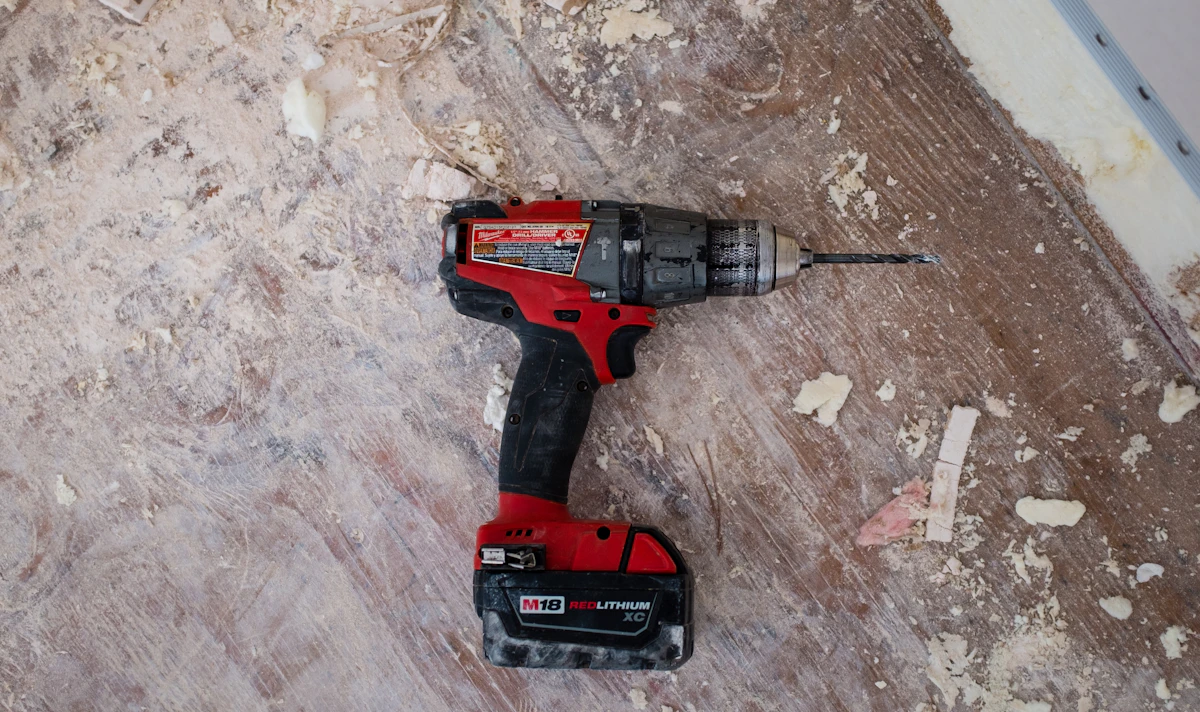
Drill pilot holes at your marked bracket points to help prevent the wall surface from cracking and to keep screws straight. Insert the correct wall plugs for your wall type, then fix the brackets firmly, checking with a level as you tighten each one. Do not fully tighten one side before starting the other, because small shifts can throw the shelf out of level. Once the brackets are secure, slide the board onto them slowly and check again with a level.
Style and Care for Your New Shelf
A floating shelf looks best when it is not overcrowded. Leave space between objects so each piece can be seen, and vary heights so the display feels natural. A small plant, a stack of books laid flat, and one decorative object make a balanced group. Keep heavier items closer to the brackets and lighter items toward the middle or ends.
To complete the look around your new shelf, explore How to Style Wooden Vases With Fresh Greenery for a Calm Corner and How to Paint a Simple Abstract Canvas for Beginners. Both projects use approachable techniques and help turn a plain wall into a warm, personal display.